
76mm compression fittings: Definition and Uses
The 76mm compression fittings are important elements in the world of industrial and hydraulic piping, helping to create a secure and reliable connection between pipes 76 millimeters in diameter. These fittings are widely used in gas, water, and industrial liquid systems, where connection safety is important. Among their uses, these fittings are used in areas such as construction, the automotive industry, and heavy machinery.
Use of the 76mm compression fittings provides an efficient and strong installation, preventing leaks and making system servicing easier. It is also worth mentioning the many types, such as the t 76which is ready to fit many types of piping. With their simple shape and installation, these fittings bring great confidence to those who work with 76m com app for system management and control.
See the 76mm compression fittings data and measurements 76m com for your technical needs.
Let us show how to use 76mm compression fittings with 559bet for efficient and strong operation.
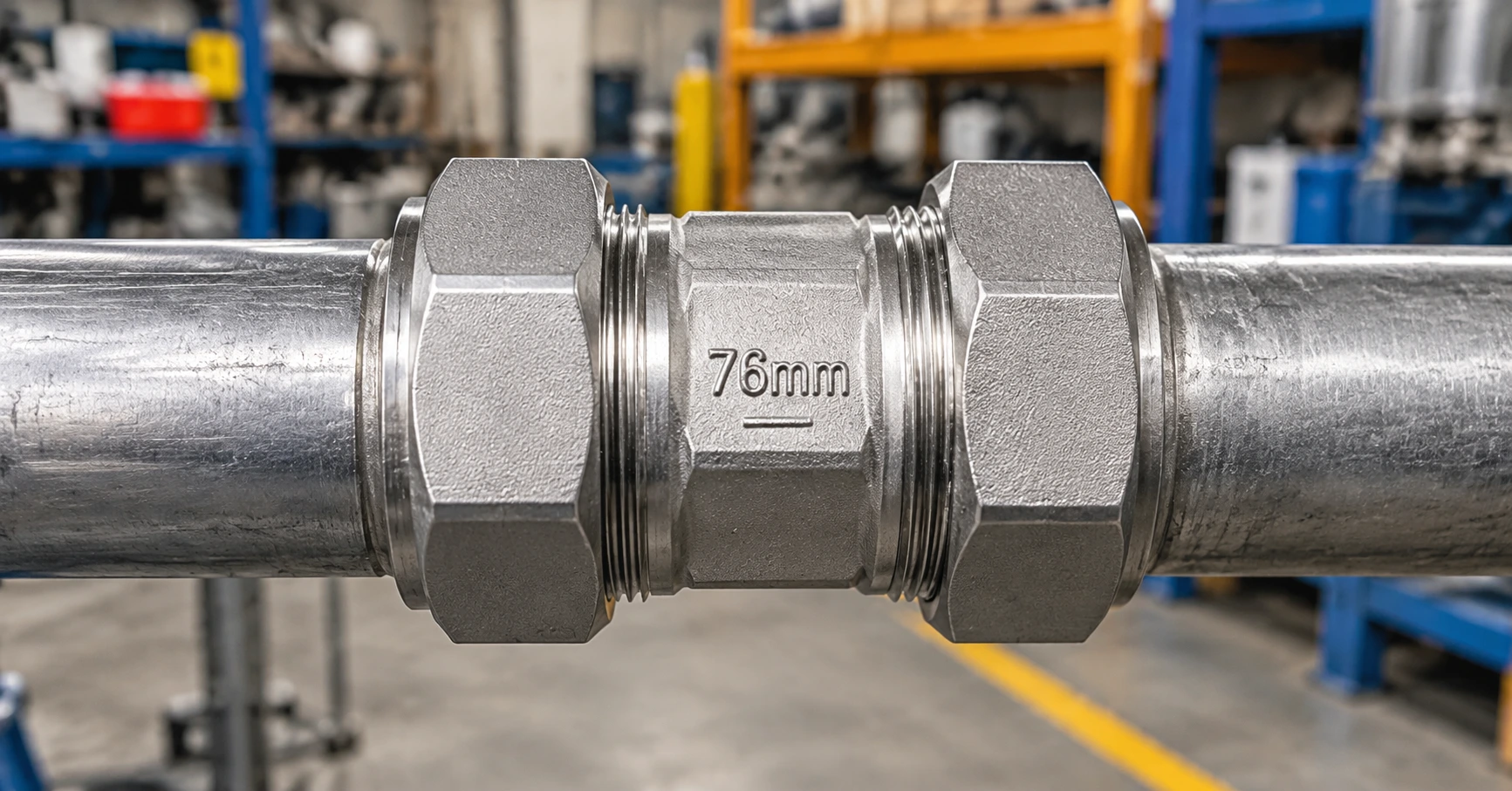
In the modern world, where efficient piping systems need to be built, the 76mm compression fittings are a near-ideal choice for their performance and ease. Their use would be in services known for quick and safe installation, and thus they are recommended for many kinds of work, including hydraulic trades, the automotive industry, and machinery.
In a precise way, the 76mm compression fittings are designed to be suitable for high demands and to maintain style in all environments. Since these fittings are made with durable materials, they can be used in harsher situations, such as the absence of vibrations, wind, or water.
Types of 76mm Compression Fittings
There are several types 76mm compression fittings on the market, each created for a specific role. Among the main ones are:
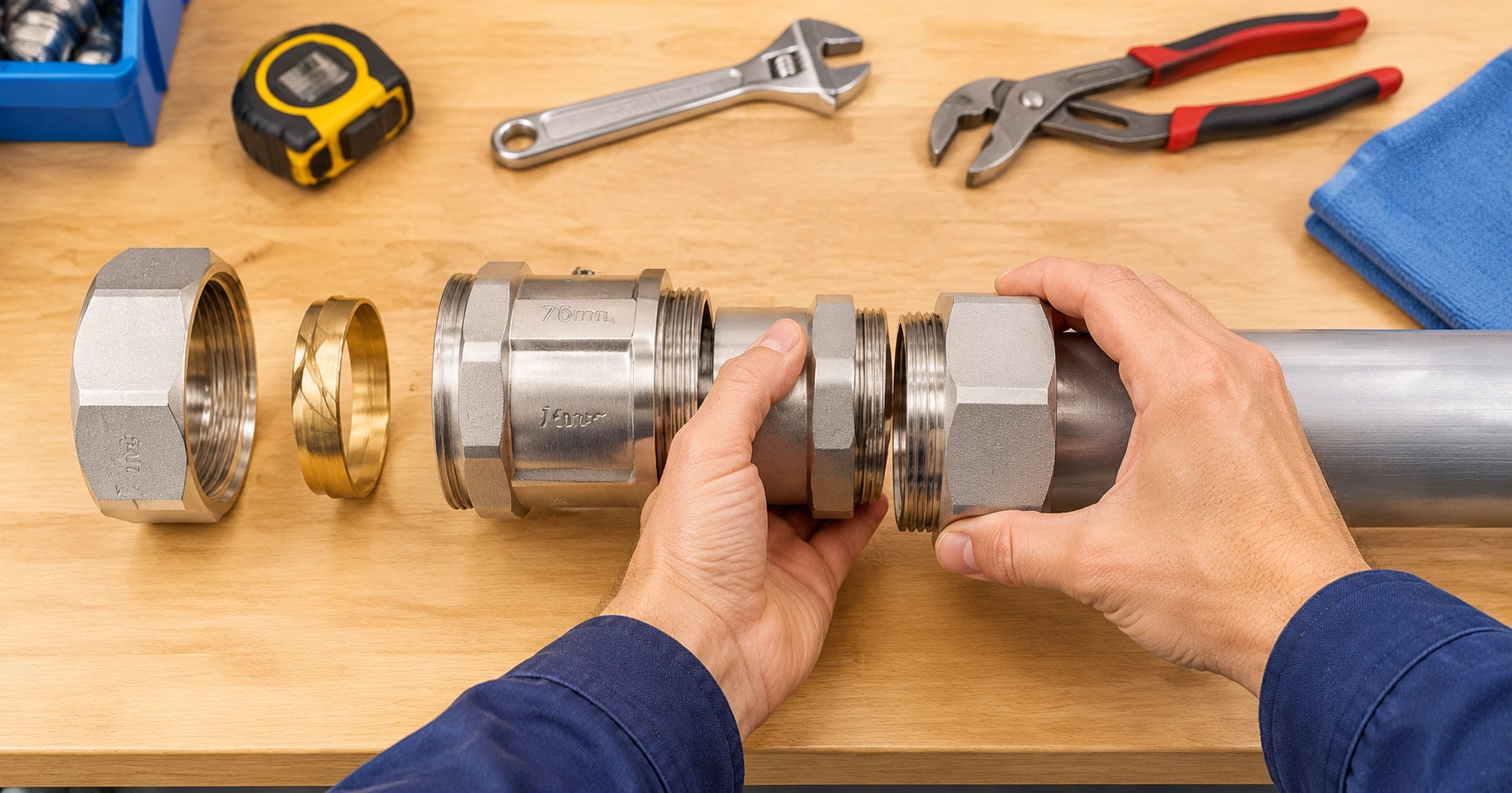
- Union: connects two 76mm pipes in line.
- Elbow: allows direction changes, especially at 45° or 90° angles.
- Reducer: connects pipes with different diameters, including 76mm.
- Tee: allows the joining of three pipes, the t 76 for a class of fittings for branching systems.
- Compression flanges: used for connections that require high pressure.
Among them are also types with precise seals for systems with 76m com app, installing digital control and management. These types provide stability and safety at a high level, for controls and management for modern systems.
The 76mm compression fittings can be found in many variants, with a way to install and change, which makes it possible to use these fittings in many types of pipeline systems. Therefore, the t 76 is an important element for branching and installing diverse systems.
Advantages of Use
The 76mm compression fittings offers several advantages for piping systems:
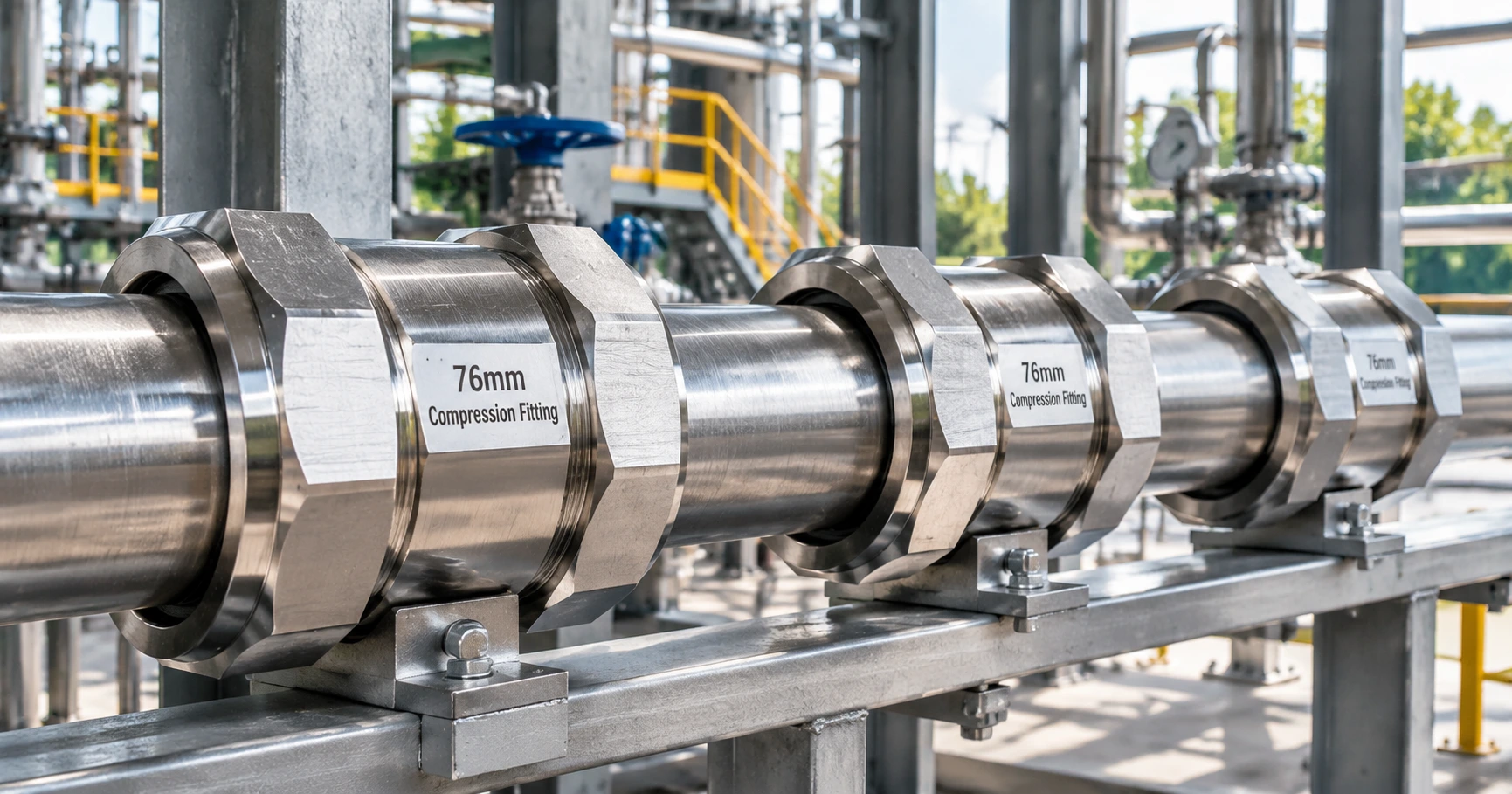
- Safe seal: eliminates the risk of leaks under high pressure.
- Easy installation: without the need for welding, speeding up the process.
- Flexibility: allows easy changes and quick disconnections for service.
- Durability: made with materials resistant to corrosion and wear.
- Compatibility: is ready to be assembled with many types of pipes and fittings.
The 76mm compression fittings is also an economical choice for many types of work, since welding is not needed to make a secure installation. The 76m com app makes the operation and management of these fittings easy and safe.
In use, these fittings offer high stability for all systems, so that there is no need to redo the installation for a long time. The t 76 and other types provide a safe guarantee for technicians and workers.
How to Install 76mm Compression Fittings
Proper installation of the 76mm compression fittings is important to preserve the system’s quality. Here are the main steps:
- Preparation: cut the pipe to the required length, keeping the end of the pipe clean and free of burrs.
- Insert the compression ring: place the ring (or olive) onto the pipe before fitting the connector.
- Connection: insert the pipe into the fitting all the way, ensuring proper installation.
- Tightening: with the proper tools, tighten the compression port to ensure the seal.
- Testing: check for leaks during installation.
For systems with 76m com app, it is recommended to follow the precise wiring instructions for connecting the electronic controls. Proper installation ensures a leak-free service, and with the 76mm compression fittings it is easy to redo and change components.
The installation can be done using standard methods, and therefore it is easy to use the t 76 to build diverse systems with high safety. Good work by technicians is important to preserve all the dimensions and shapes.
Specification Table for 76mm Compression Fittings
| Fitting Type | Material | High Pressure (bar) | High Temperature (°C) | Primary Use |
|---|---|---|---|---|
| Union | Rusty Steel | 150 | 200 | Hydraulic Systems |
| 90° Elbow | Aluminium | 120 | 180 | Gas Systems |
| T 76 | Brass | 140 | 220 | Pipeline Branching |
| Compression Flange | Stainless Steel | 160 | 250 | High-Pressure Systems |
Frequently Asked Questions about 76mm Compression Fittings
- Where are 76mm compression fittings used?
- These fittings are used in the industrial world